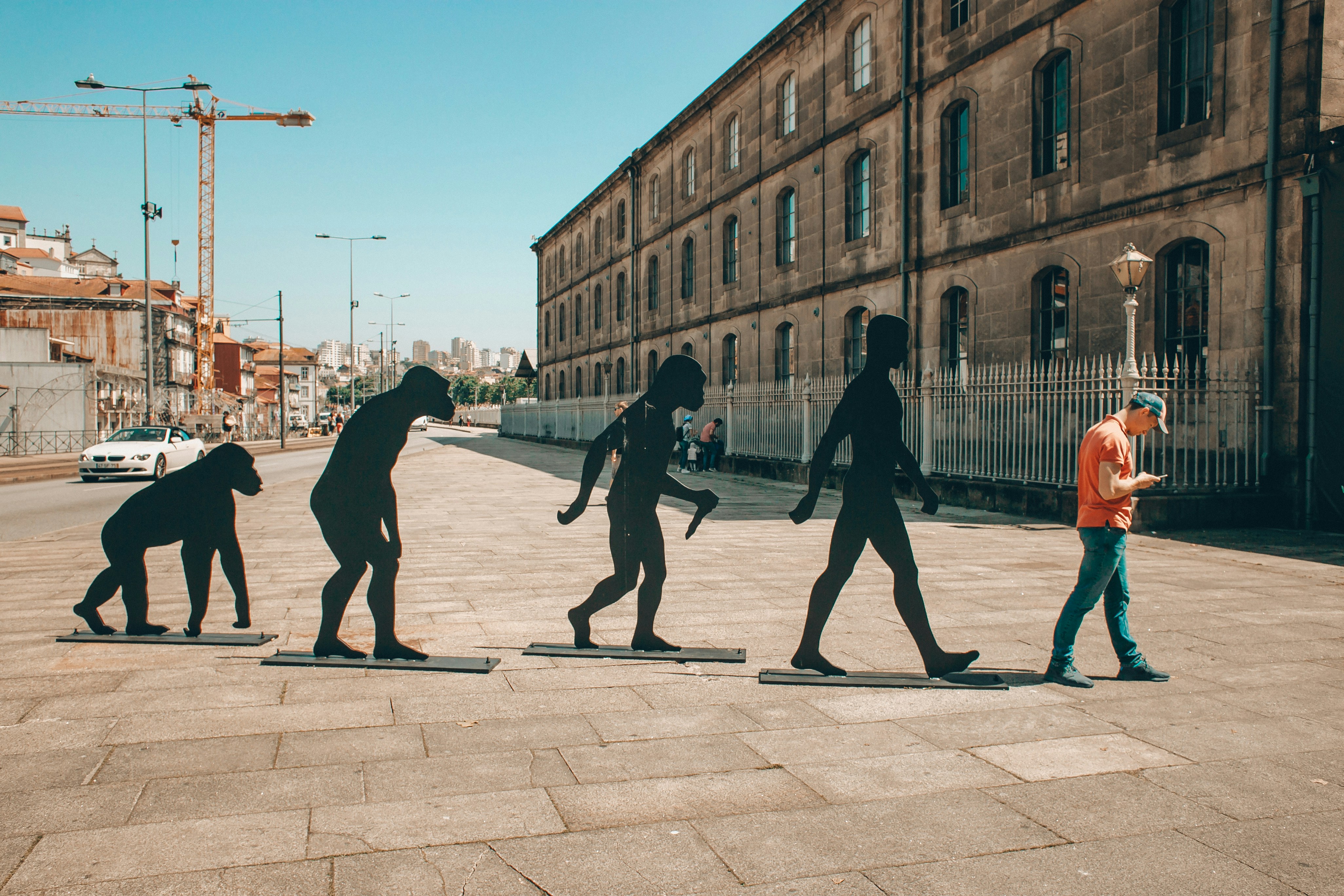


We spent millions of years learning to stand upright; now we bend toward screens that may be reshaping how we think together.
This working paper examines whether education is undergoing a fundamental phase transition driven by artificial intelligence. Drawing on the evolutionary concept of punctuated equilibrium, the paper argues that we are witnessing not merely another cycle of educational technology adoption, but a reorganization of how human and artificial minds learn together. The analysis explores the historical parallels between AI and previous transformative technologies like the blackboard and personal computer, while examining the implications for teachers, students, institutions, and society at large. The paper introduces the concept of “AI fluency” as an essential civic competency and concludes with design principles for education systems that can thrive in this new equilibrium.
My journey into this question began unexpectedly. As a physics student, I was captivated by how we come to know what we know. That curiosity led me to education research, where I found myself watching AI arrive in classrooms faster than any of us could make sense of it. This paper grew from late nights thinking about my students, my colleagues, and a persistent feeling that what we are experiencing is not just another technology trend. It feels like the ground shifting beneath our feet.
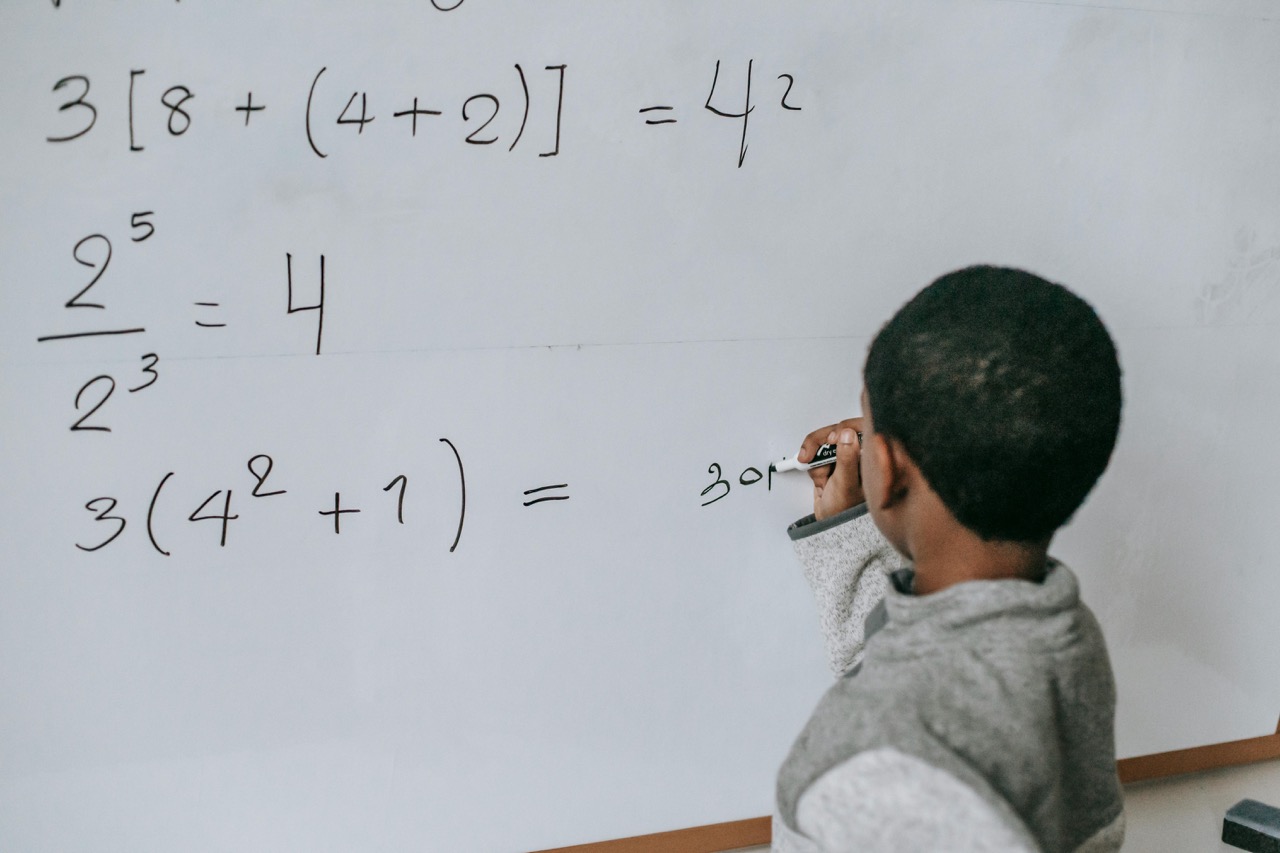
I keep returning to a simple image: a teacher in 1820, chalk in hand, writing on a blackboard for the first time. In that moment, thought became visible to an entire room simultaneously. We barely remember this as revolutionary, yet it changed everything. The blackboard, the textbook, the computer—each arrived quietly and reorganized how humans think together. I believe AI is the next such moment, except this time, the change is not quiet at all. It is loud, fast, and disorienting. What troubles me most is how quickly we have normalized it without asking harder questions. I watch institutions scramble to update honor codes when they should be reimagining what learning itself could become.
If the blackboard made thinking visible and the computer made knowledge personal, AI can make wisdom relational. It forces us to confront what was always true: teaching is fundamentally about relationship, not transmission. The equilibrium we build now will determine not just how we learn, but who we become as thinking beings in an age of artificial intelligence. That choice, I believe, is still ours to make.