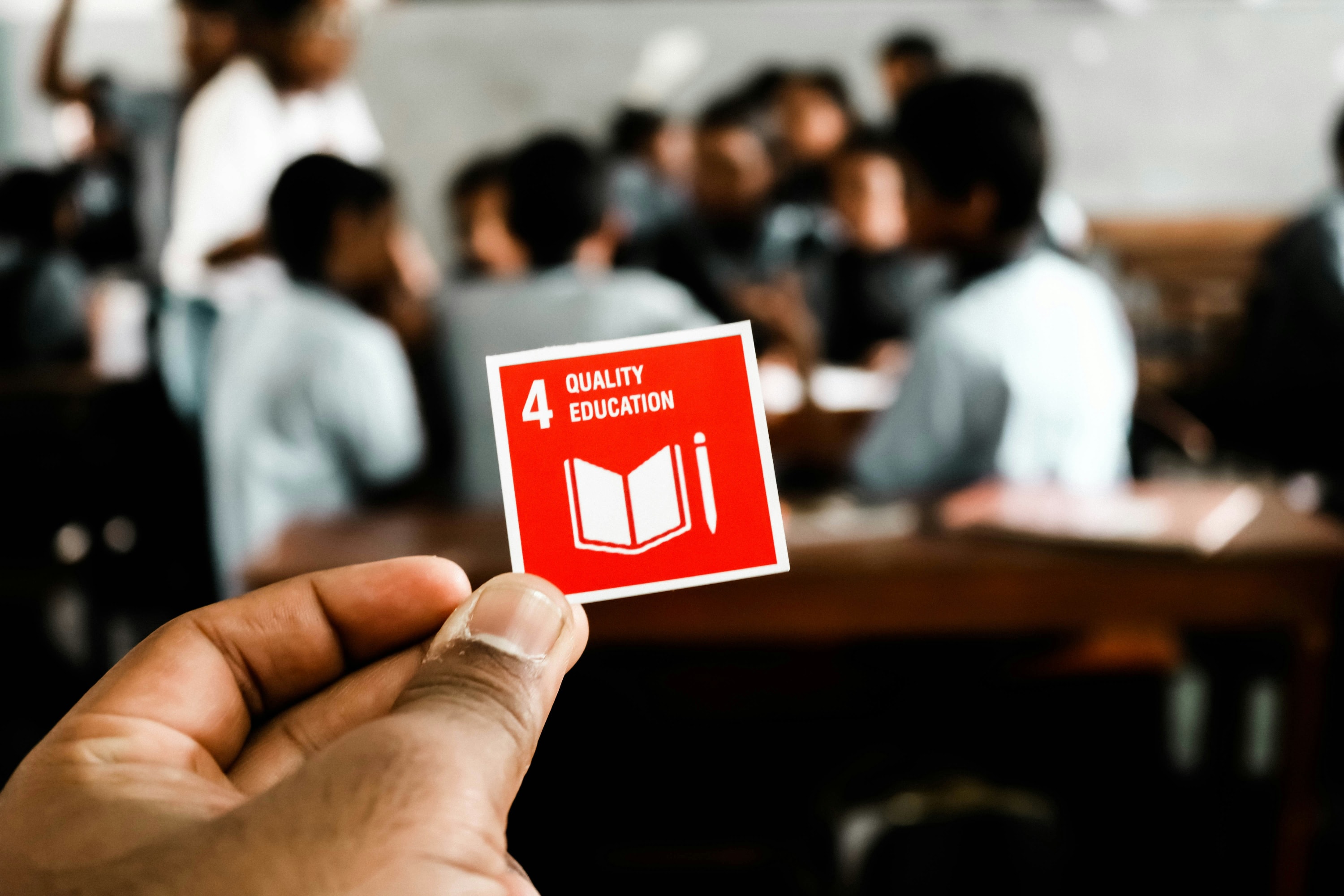

Why improving SDG 4 accelerates progress on all SDGs
Education is the master lever because it compounds human capability. When people gain foundational literacy, numeracy, and critical thinking, they make better choices, pursue healthier lives, and contribute productively to their communities. This direct effect multiplies across generations: educated caregivers invest more in children, and educated workers innovate, save, and collaborate.
Education improves health (SDG 3) by increasing understanding of nutrition, hygiene, and prevention. It advances gender equality (SDG 5) by expanding girls’ agency and economic options. It reduces poverty (SDG 1) by raising earning potential and enabling entrepreneurship. It strengthens institutions (SDG 16) because informed citizens can evaluate claims, participate in public life, and demand accountability.
The leverage grows when education is inclusive and high quality. Quality means strong pedagogy, relevant curricula, skilled teachers, and safe, supportive environments. Inclusion means reaching learners across language, disability, geography, and income. Without quality and inclusion, schooling can entrench inequality by privileging those who already have advantages.
AI can amplify the master lever when aligned with equity. Adaptive practice systems can personalize learning without tracking students into narrow paths. Language technologies can translate materials into local languages and produce alternative modalities—text to audio, audio to text, visuals with alt descriptions. Teacher co-pilots can reduce administrative load, surface misconceptions earlier, and suggest targeted supports.
Systems effects arise from feedback loops. Educated people grow local economies, which raise tax bases, which fund better schools, which educate more people. Positive loops also operate through health and civic participation. Yet negative loops persist where access is unequal: communities with under-resourced schools face lower graduation rates and weaker employment prospects, which suppress revenue and investment. The policy task is to flip negative loops and strengthen positive ones.
Three levers consistently pay off. First, early childhood and early-grade mastery establish the foundation for all future learning. Second, teacher capacity—coaching, professional communities, and time for planning—determines classroom quality. Third, pathways that connect schooling to decent work—apprenticeships, micro-credentials, and employer partnerships—translate learning into livelihoods.
Measurement must reflect what matters. Attendance and test scores are partial indicators; systems should track growth, wellbeing, transferable skills, and post-school outcomes. Equity-adjusted metrics ensure we notice and address gaps. Community voice should guide what success means, so indicators remain legitimate and actionable.
When education moves, everything else moves. The payoff is not immediate, but it is durable. By treating SDG 4 as the master lever, aligning AI to serve inclusion, and investing in teacher capacity and early foundations, societies accelerate progress across health, equality, decent work, climate action, and strong institutions. The result is compounding human capability—an engine that advances every other goal.