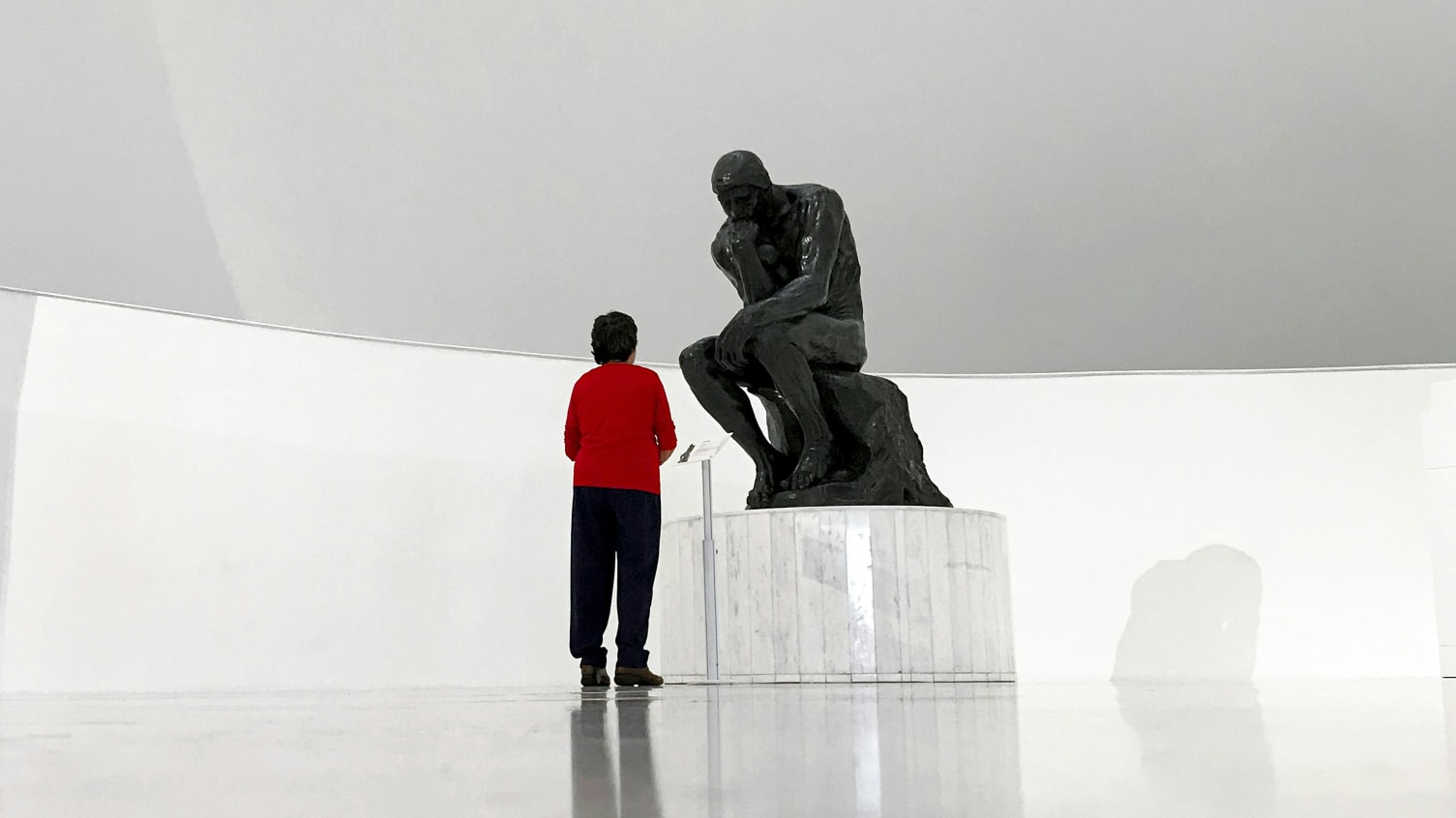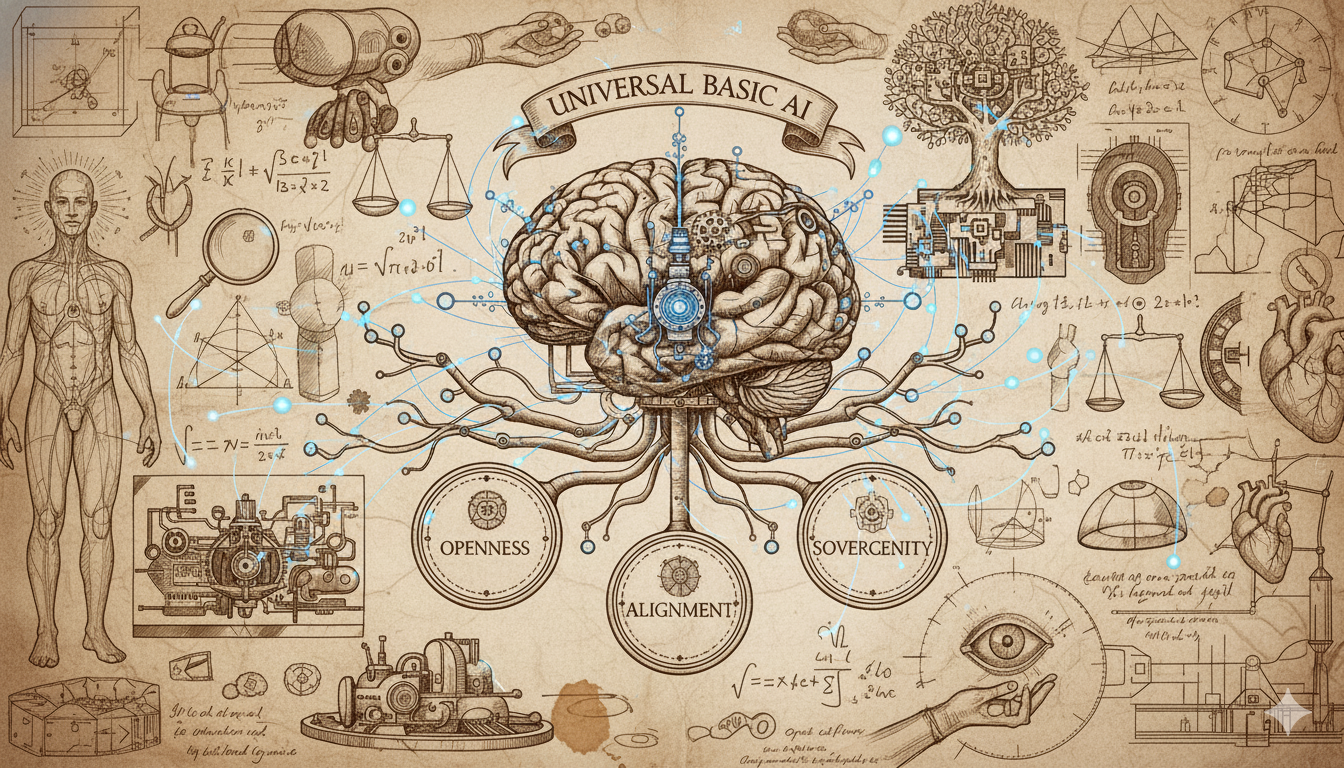
The image above represents intelligence as commodity: an exposed brain on a pedestal, controlled remotely by unseen hands. It’s a fitting metaphor for what’s unfolding globally.
The United Nations Development Programme’s latest report, The Next Great Divergence, maps out how artificial intelligence might permanently fracture the global economy. It’s dense and alarming, and it deserves careful attention from anyone thinking seriously about AI’s societal implications.
The Infrastructure Illusion
For a decade, global development strategy has centered on “access”: tablets in classrooms in Nairobi, fiber optics to villages in Vietnam. Connectivity was supposed to be the equalizer.
The UNDP report reveals why this was never enough. It identifies a “compute divide” that makes the old “digital divide” look almost quaint. We’re entering an era where educational quality becomes a function of processing power. A student in California learning from an AI tutor running on cutting-edge hardware inhabits a different cognitive reality than a student in Bangladesh consulting a static textbook over a 3G connection. They’re not just in different schools. They’re in different centuries.
This is what makes “Brain Drain 2.0” different from its predecessor. The original brain drain was about people leaving. This one is about the capacity to learn being centralized elsewhere. If the Global South cannot build sovereign AI infrastructure, its educational systems risk becoming permanent clients of Northern platforms, importing curricula optimized for Western contexts and renting them at perpetual cost.
From a society-centered AI perspective, this isn’t just an infrastructure problem. It’s a question of who gets to shape how the next generation thinks.
The Invisible Extraction
The report warns that “larger entities might exploit local data or content to train AI models” without benefiting source communities. This quiet extraction is the mechanism at the heart of the new divergence.
Consider what happens when we train a Large Language Model on the open web. The cultural, scientific, and creative output of the Global South gets ingested: a Kenyan novelist’s prose, a Brazilian botanist’s taxonomy, an Indian developer’s code. Each is stripped of context, tokenized, and absorbed into model weights, becoming indistinguishable from its origins.
We have no way to measure the “data GDP” of a nation. The Global South exports its collective intelligence for free, then purchases it back as a service. This creates a recursive loop: the model grows more capable while the source grows more dependent. It’s not just inequitable. It’s structurally unsustainable.
A Different Path
Here’s where society-centered thinking offers something the report doesn’t fully articulate: the Global South doesn’t have to play this game at all.
The North is building AI that is energy-intensive, centralized, and capital-heavy, optimized for corporate efficiency. But what if that model is itself the problem? Rather than replicating Silicon Valleys (which talent migration is making increasingly difficult anyway), the Global South could pursue something different entirely. Local, edge-based models running on low-power devices, trained on specific, high-quality local data. Intelligence that solves local problems without requiring data centers on distant continents.
The prevailing narrative assumes intelligence must be centralized to be valuable. But sovereign, decentralized AI isn’t “falling behind.” It’s stepping off a treadmill that was never designed for broad human benefit.
Toward Computational Sovereignty
The UNDP report’s warning is serious, but its framing is incomplete. The “Next Great Divergence” is inevitable only if the Global South accepts the terms of a contest whose rules systematically disadvantage them.
The alternative is sovereignty: not just legal sovereignty over borders, but computational sovereignty over minds. This means educational systems running on local infrastructure. Legal frameworks treating data extraction like resource extraction, worthy of taxation. Innovation strategies prioritizing local resilience over global efficiency.
This isn’t about building walls. It’s about building alternatives. The divergence the UNDP fears assumes everyone walks the same path. The real opportunity lies in constructing a different road, one where AI serves societies rather than extracting from them.